The Toyota RAV4 has long held its place as one of America’s most reliable SUVs—dependable, fuel-efficient, and ready for almost anything. But the 2026 Toyota RAV4, launching next year, is set to be its biggest change yet. With a futuristic hybrid powertrain, a bold new exterior design, improved fuel efficiency that can reach 60 MPG, and the latest technology, Toyota is making the RAV4 one of the most advanced compact SUVs in its class.
For drivers who want an SUV that’s both powerful and planet-friendly, the 2026 model brings the best of both worlds. Here’s a first look at what makes the upcoming RAV4 such a game-changer.
A bold, modern exterior that commands attention
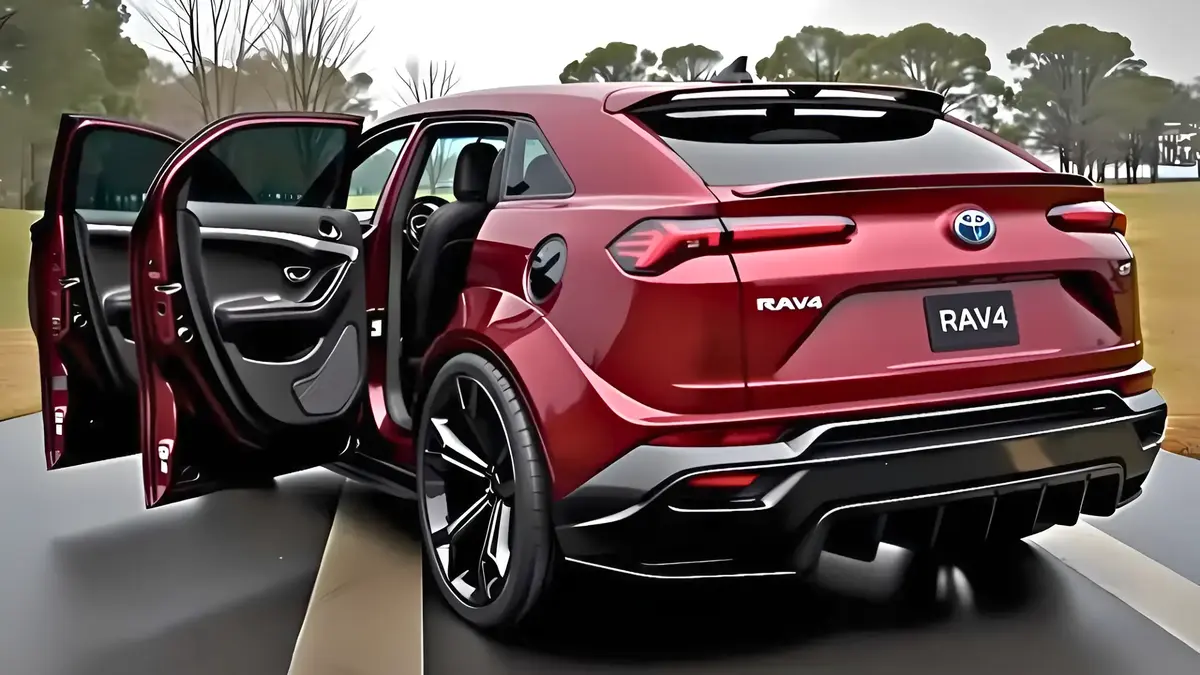
The 2026 Toyota RAV4 features a completely new design. Toyota has given it a sharper, more athletic look:
- Wider front grille
- Slim LED headlights
- Muscular, sculpted hood
- Larger alloy wheels
- More aerodynamic overall shape
This design isn’t just for show. These updates help improve airflow, reduce drag, and increase fuel efficiency—one of the biggest highlights of the new model.
Powerful Hybrid Engine with Up to 60 MPG
Perhaps the most impressive change lies under the hood. The 2026 RAV4 is expected to feature:
- A next-generation hybrid powertrain
- Improved battery efficiency
- Improved regenerative braking
- Quieter and smoother acceleration
While final EPA ratings are still pending, industry experts predict the SUV could reach 60 miles per gallon, setting a new benchmark in the hybrid SUV category. This makes it particularly attractive for long-distance travelers or families looking to reduce monthly fuel costs without compromising performance.
Tech that truly feels next-gen
Toyota has invested heavily in upgrading interior technology. Inside, drivers can expect:
- A larger, high-resolution touchscreen (possibly 12–14 inches)
- Wireless Apple CarPlay and Android Auto
- Cloud-based navigation
- Over-the-air software updates
- A fully digital instrument cluster
- Voice-controlled smart features
The cabin design also features clean lines, premium materials, and improved seating comfort. Whether you’re driving around town or heading out on a long weekend adventure, the 2026 RAV4 aims to make every mile fun.
Safety Features That Go Beyond the Basics
Toyota’s Safety Sense suite is already one of the most comprehensive on the market, but the 2026 RAV4 makes it even better with new enhancements:
- Adaptive Cruise Control with Smooth Lane Centering
- Improved Pedestrian and Cyclist Detection
- Blind-Spot Monitoring
- Intersection Turn Assistance
- 360° Panoramic Camera
- Rear Cross-Traffic Automatic Braking
With these features, Toyota continues its mission to reduce accidents and make driving safer for everyone on the road.
Spacious, Comfortable Interior
Toyota has slightly increased cabin space in the 2026 model, making it more spacious for families and passengers. Highlights include:
- More rear legroom
- Increased cargo capacity
- Improved sound insulation
- Optional panoramic sunroof
- Upgraded climate system
The RAV4 is one of the best compact SUVs for weekend getaways, daily commuting, and long road trips.
Expected Price and Release Date
Although Toyota hasn’t announced official pricing, analysts expect the 2026 RAV4 to start at:
- $31,000–$34,000 for the base model
- $38,000–$45,000 for the hybrid and premium trims
Launch is expected in mid- to late 2026, and pre-orders may begin a few months earlier.
FAQs
1. What makes the 2026 RAV4 different from previous models?
It features a redesigned exterior, a more efficient hybrid engine, advanced tech, and upgraded safety systems.
2. Will the 2026 Toyota RAV4 be available as a hybrid only?
Most trims are expected to be hybrid, though Toyota may still offer a gasoline-only version.
3. What is the expected fuel efficiency?
Early estimates suggest up to 60 MPG, making it one of the most efficient SUVs in its class.
4. Is the 2026 model suitable for families?
Yes. It offers more space, improved comfort, and a wide range of safety features.
5. When can I buy the 2026 RAV4?
It is expected to hit dealerships in mid or late 2026.
